
Septic drain field repair in Jacksonville starts with finding out why the field isn't absorbing water. Sometimes the fix is as simple as pumping the tank, replacing a broken outlet baffle and resting the field. When the soil is clogged or the field is too small or too close to the water table, it may need repair, expansion or replacement, which in much of Northeast Florida means a raised, mounded system.
Drain field failure signs
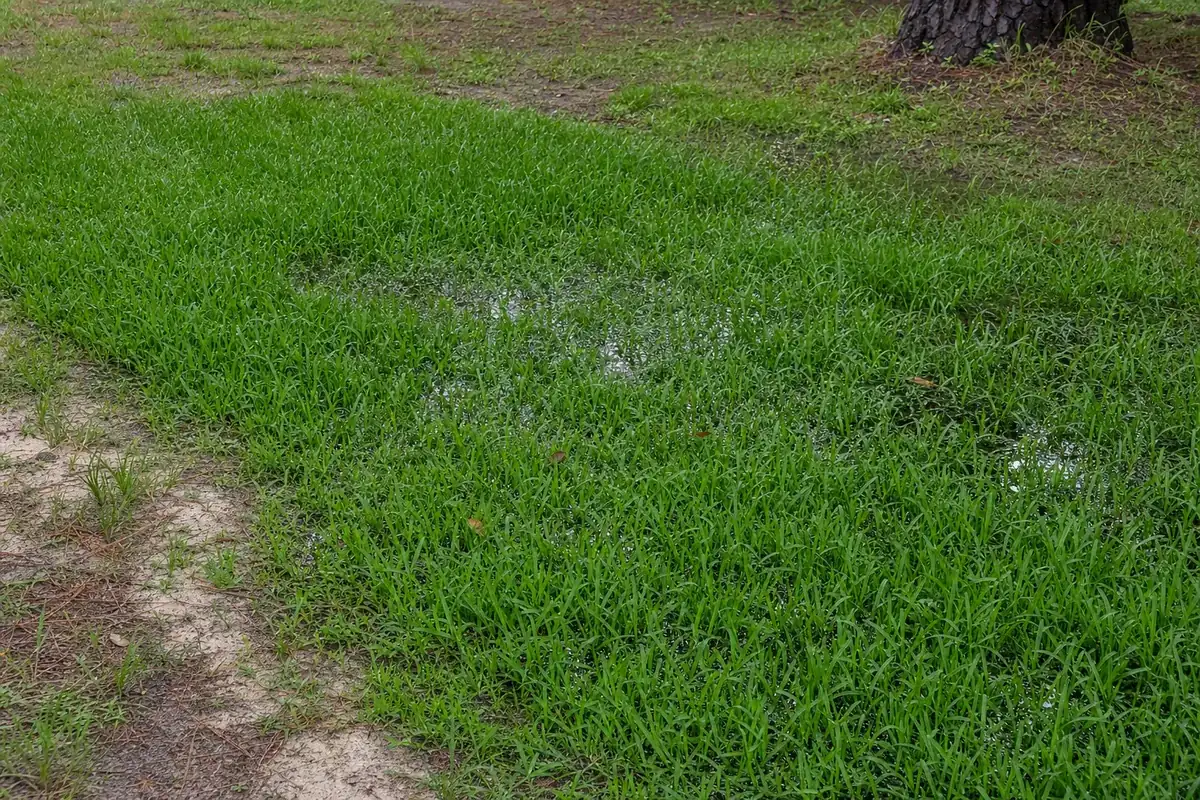
- Soggy, spongy ground or standing water over the drain field
- Grass over the field that's greener and faster growing than the rest of the lawn
- A sewage smell in the yard, especially after rain
- Slow drains and gurgling throughout the house
- Backups that get worse after heavy rain or heavy water use
- Water flowing back into the tank from the field after it's pumped
Why drain fields fail
Solids from the tank
When a tank isn't pumped or the outlet baffle breaks, solids wash into the field and seal the soil. This is the most common cause and the most preventable.
Too much water
Leaking toilets, back-to-back laundry, roof drains or irrigation aimed at the field can overload it.
Damage
Cars and trucks crush pipes, and tree roots invade the lines.
Age
Even well-maintained fields eventually wear out as a biological mat builds up in the soil.
High water table & sandy soils in NE Florida
Sandy soil drains quickly, which sounds ideal, but in much of Duval, Nassau, Clay and St. Johns counties the water table sits only a few feet below the surface, and higher in the rainy season. A drain field needs enough unsaturated soil beneath it to treat the effluent. When the water table rises during summer storms or tropical systems, a marginal field can't keep up, and backups follow.
That's why many replacement drain fields in the area are built as mounded systems, raised above the original grade with fill, sometimes with a pump to dose the effluent into the mound. Florida's onsite sewage rules set required separation from the water table, and drain field repairs and replacements require a permit through the state's onsite sewage program, run by the Florida Department of Environmental Protection.
Repair options
Often fixable
- Pump the tank and replace a broken outlet baffle
- Add an effluent filter
- Clear or replace a crushed line or distribution box
- Reduce water load and rest the field
- Redirect roof drains and irrigation
May need replacing
- Soil sealed by years of solids
- Field too small for the household
- Too little separation from the water table
- Repeated failure after repairs
A plumber who understands septic can check the tank, the baffles and the distribution box before anyone talks about replacing the field. See septic tank repair for the tank side and septic pumping for maintenance.
What affects the cost
- Diagnosis. Finding the real cause first can avoid an unnecessary replacement.
- Repair vs replacement. A distribution box or line repair is a fraction of a new field.
- System type. Mounded and pumped systems cost more than conventional trenches.
- Permits and site. Permits, soil testing, fill and lot access all affect the price.
Drain field repair across Jacksonville
Drain field repair FAQ
Can a failing drain field be fixed?
Often, yes, if the cause is a full tank, a broken baffle, a crushed pipe or too much water. A field with soil that's sealed by years of solids may need to be replaced.
How long does a drain field last in Florida?
Many last 20 years or more with regular pumping and sensible water use. High water tables and neglect shorten that considerably.
Why does my septic back up after rain?
Rain raises the water table and saturates the soil, leaving the drain field nowhere to send effluent. It often means the field is marginal or near the end of its life.
Do I need a permit for drain field repair in Florida?
Yes. Drain field repairs and replacements require a permit through the state's onsite sewage program, and the contractor typically handles it.
What is a mound septic system?
A drain field built above the natural ground with fill, used where the water table is too high for a conventional field, which is common in Northeast Florida.